
A “Koyo” Tenmoku Tea Bowl with Silk Pouch by Touetsu Kiln
Before styles such as Raku, Hagi, Karatsu, etc came into fashion for use in the tearoom in early Edo, it was commonplace in cultured society to use tea-ware imp
SOLD
Before styles such as Raku, Hagi, Karatsu, etc came into fashion for use in the tearoom in early Edo, it was commonplace in cultured society to use tea-ware imp
SOLD

Comfortable in the hand and with a unique textured black Raku glaze, this tea bowl by 20th century potter Samukawa Seiho would make a fine addition for collecto
SOLD

Sumi on paper. The artist Kakyo (1844-1928) was the son of the painter Chuuguuji. Kakyo studied both the Tosa and Kano styles and taught at the art school which
SOLD

A powerful work of Shino pottery by one of the veterans of Mino ceramics. Vibrant lines of white feldspar contrast sharply with the iron rich clay and glaze to
SOLD

A traditionally crafted Bizen sake cup with a rich mineral glaze giving this guinomi a metallic look. The craftsman who made this piece, Takahiro Ishii, was bor
SOLD

In the world of Japanese ceramics, Tamamizu-ware has an almost mythical standing. A branch of the main Raku line, at one time the two kilns held equal prominenc
SOLD

This depiction of the eternal “ensō” on a backdrop of pearly white feldspar signifies enlightenment, the eternal, the nothingness, and the freedom of the mind t
SOLD

A beautiful example of modern Bizen-ware—with a thick feldspar glaze partially covering the clay body allowing the natural ash glaze underneath to show through
SOLD

A small cottage perched on the edge of a tranquil lake, fishermen heading out in the morning chill to secure their daily catch. This tranquil scene from the Jap
SOLD

In the world of Japanese ceramics, Tamamizu-ware has almost a mythical standing. A branch of the main Raku line, at one time the two kilns held equal prominence
SOLD

If you are familiar with the work of Hiramatsu Ryoma you know that he creates very unconventional ceramics inspired by forms found in nature. Here we have a sak
SOLD

Raku glazed ceramic. This well-shaped and firmly grounded tea bowl is the work of Sanyū—Kichizaemon VI of the Raku line of potters. Highly regarded in the tea w
SOLD

An excellent example of Japanese minimalist aesthetic that transcends its humble origins, this mizusashi, or fresh water pot used in tea ceremony, displays a cl
SOLD

A collaboration piece between the famed poet/ nun of the late Edo period Rengetsu and her younger protege Tessai, this scroll depicts a frightened cricket makin
SOLD

This beautiful Red Raku tea bowl is the work of Raku XI Keinyu (1817-1902), the 11th Raku potter in an unbroken line of artisans stretching back over 450 years.
SOLD

Conceived by 20th century master ceramicist Kawai Kanjiro—here an abstract depiction of flowers is used to adorn an exquisite “henko” shaped vase. The glaze use
SOLD

This remarkable tea bowl is from the kilns of Yoshida Shuen (1940-1987)—an apprentice of Miwa Kyusetsu (1910-2012) who was awarded the status of Living National
SOLD

This tea bowl crafted by one of the great masters of Japanese pottery depicts Meota Iwa—a famous Japanese landmark in Mie. Symbolizing the union between two div
SOLD

This lovely Shino tea bowl from the Edo period is fashioned from coarse Mino clay and is covered in feldspar glazing. As with many pieces of this period and sty
SOLD

Reminiscent of a perfectly formed oyster shell or the shell of a hermit crab, this recent creation by young artist Hiramatsu Ryoma demonstrates his creative ima
SOLD
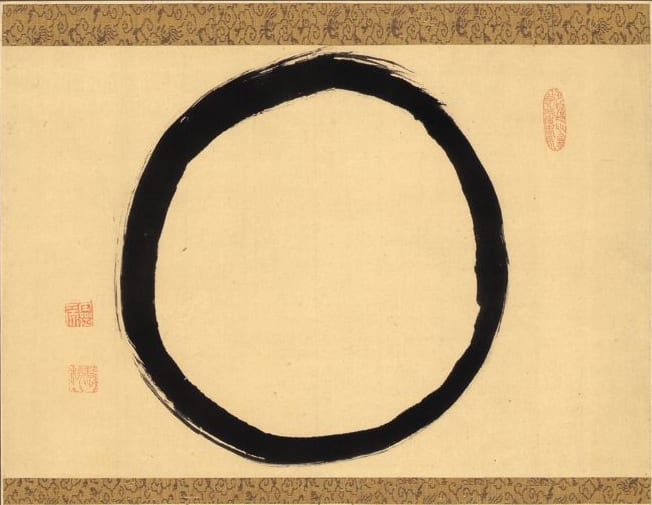
Sumi on paper. A fine ensō drawn by Reigen Eto, one of the most prominent disciples of Hakuin. It is said that Reigen was known for his delicate brush strokes a
SOLD

The distinctive and easily recognizable style of Bizen pieces, such as the one featured here, originated in Okayama (south-western Japan) and has a long history
SOLD

An exceptionally large work by one of the most important contemporary ceramic artists in Japan. Collected widely both here and abroad, a favorite of Daitoku tem
SOLD

A truly unique work of Shino pottery developed among the company of some of Japan’s most respected and influential potters of the last century. Defying conventi
SOLD
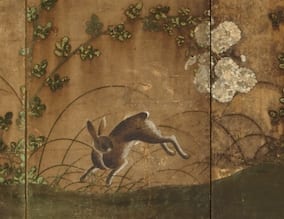
Sumi, color, and and gofun on gilded paper. This piece done in the early Edo period features two rabbits frolicking in a sunny floral pasture. The flowers in th
SOLD

Occasionally while browsing through the temple markets of Kyoto or perusing backstreets tea-ware shops, an attractive piece will catch my eye for no particular
SOLD
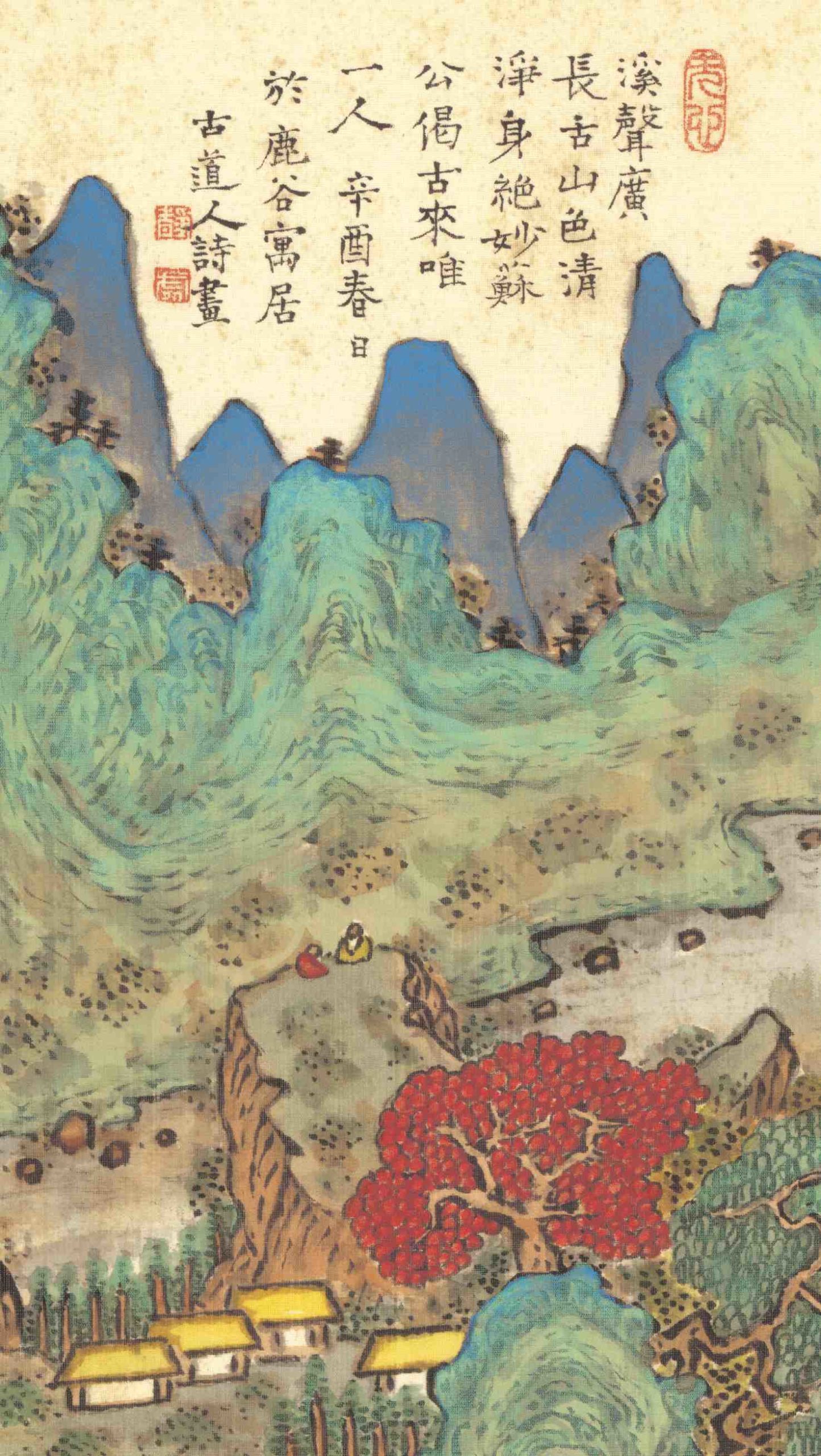
Sumi and color on paper. This hanging scroll by Fukuda Kodojin is a fine example of the Japanese nan-ga style of painting. Compared with other works by Kodojin,
SOLD
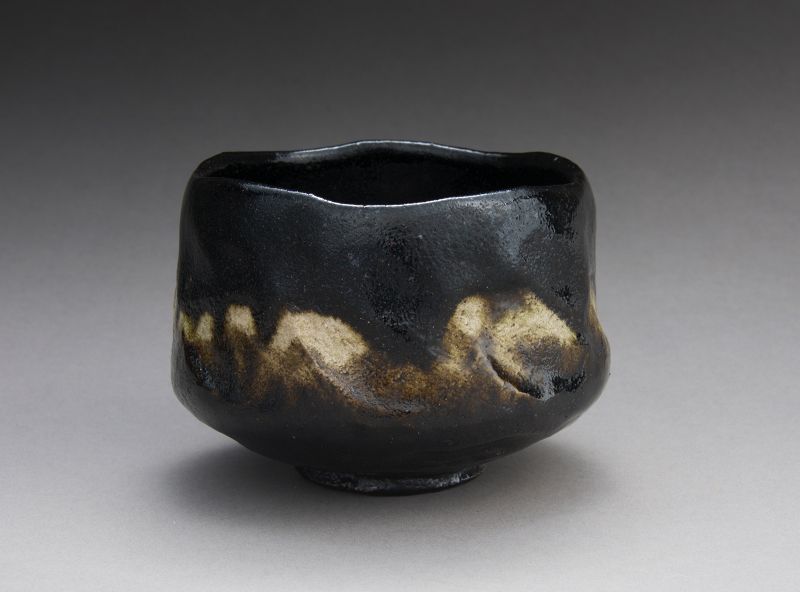
A black Raku ceremonial tea bowl displaying an excellent patina bestowed by time. The light colored clay peeks through in areas giving this piece a unique feel.
SOLD

Stemming from the philosophy of wabi-sabi—often described as the beauty found in the imperfection and transience of the world—cracks and repairs in a work of po
SOLD

In Japan every season and every phase of the year is marked by the presence of a flower, the most noted of course being the cherry blossoms signifying the long-
SOLD

This rare and interesting ceramic work was done by one of the most renowned and loved waka poets of the 19th century, Ōtagaki Rengetsu (1791-1875). In fact, if
SOLD

The gray-blue celadon displays finely crackled glazing with areas slightly darkened by time. A faint pattern made of white inlay can be seen along the upper rim
SOLD

In the world of Japanese ceramics, Tamamizu-ware has an almost mythical standing. A branch of the main Raku line, at one time the two kilns held equal prominenc
SOLD
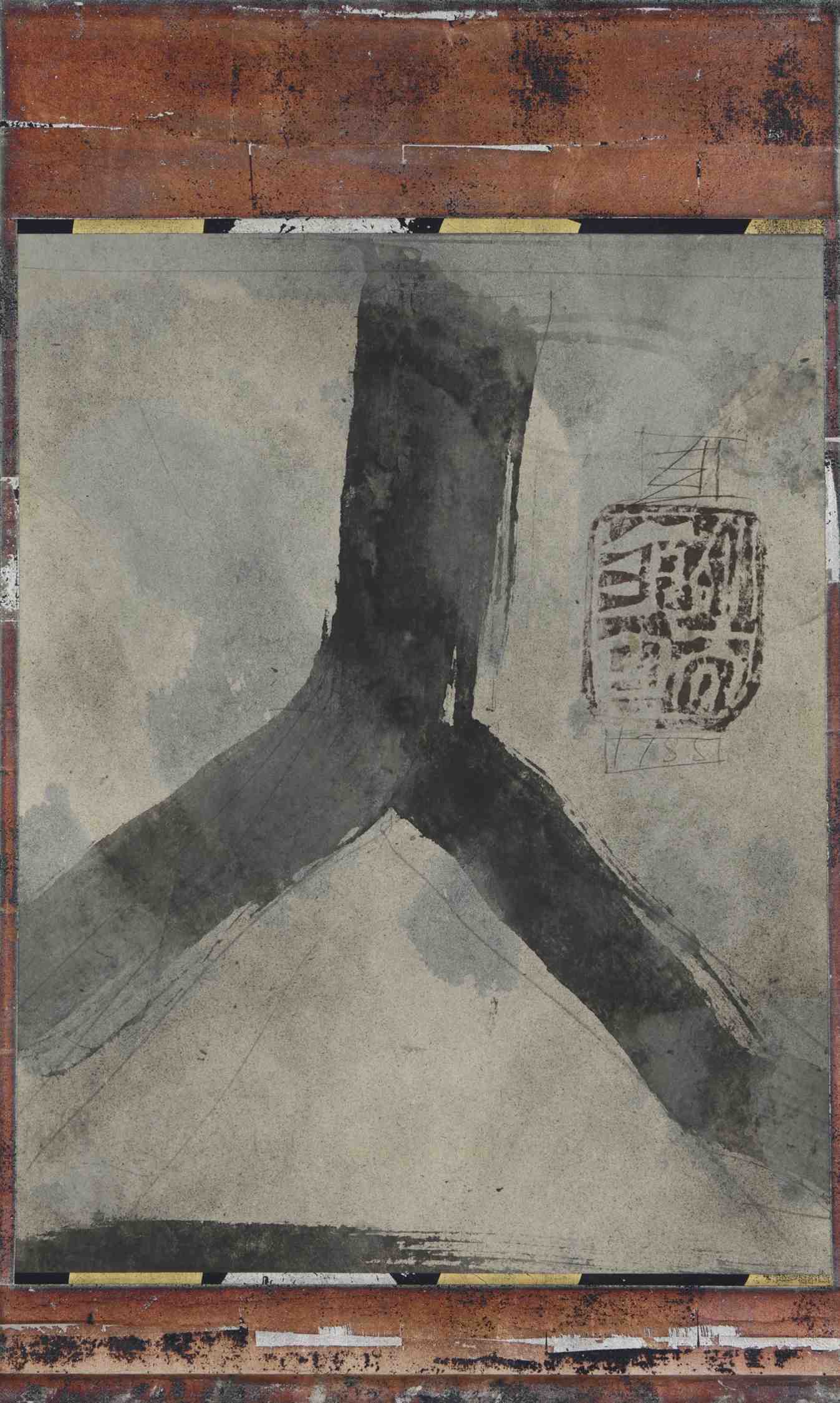
Sumi and color on paper. This piece depicts the single Chinese character hito (person or individual) in bold and distinctive calligraphic strokes. Signed and se
SOLD

This elegant work of Karatsu pottery has an unglazed foot, showing the rich ferrous clay, and displays a beautiful ashen glaze with hues of blue, grey, green, a
SOLD

This peach-shaped kōgō (incense box) is made of fine kinuta celadon from one of the great masters of the Meiji era—Suwa Sozan. A classic design, the peach is sa
SOLD

This extraordinary mizusashi is a fine example of Oni Shino (carbon trap and natural ash glazing) that Tsukigata is so well-known for. Coining the term in the m
SOLD

This finely crafted tripod incense burner is one of several often-employed motifs used by renowned Meiji/ Taishō ceramic artist Suwa Sozan I. With a design borr
SOLD
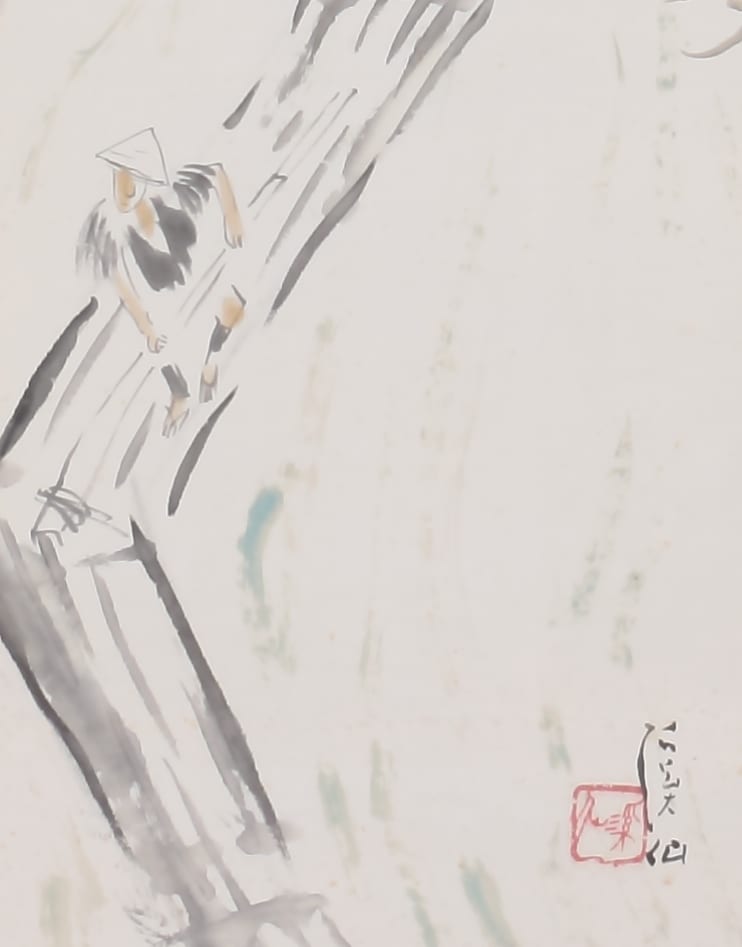
Sumi and color on paper. This piece by well-known Taisho period artist Tomita Keisen depicts foresters riding log rafts down the Uji-gawa. Keisen was trained in
SOLD

A rare and exquisite piece by the 12th Kichizaemon (1857-1932) of the Raku lineage, now in its 16th generation. Not only with excellent documentation including
SOLD

One of the finest, most daring, and well-crafted works I have seen by this legendary artist who is known for his non-conformist and bold style. Suzuki Goro has
SOLD

The colors seen in this ceramic piece are not often encountered in the world of Japanese tea-ware pottery—a field dominated mainly by styles such as Raku, Hagi,
SOLD

Sumi on silk. A fine example of painting from the Obaku sect of Zen which was brought to Japan in the 17th century from China. This naturalistic theme by Taijou
SOLD

The lower half of a blackened enso dips from the rim on a backdrop of gray crackled glazing interspersed with auburn highlights. Rising up from below into the e
SOLD

Raised, undulating ridges on a field of cobalt blue highlighted with white slip and bronze flecks around the rim, this piece conjures images of the deep and sto
SOLD

Decidedly masculine in character with straight sculpted edges, a rich palette of color, and a calm steadiness in the hand; this tea bowl was crafted by one of J
SOLD
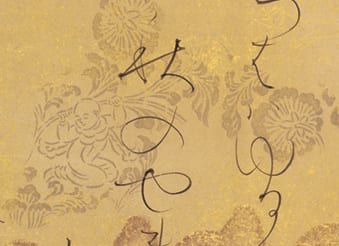
This piece by Ōtagaki Rengetsu contains a unique woodblock print technique that utilizes gofun, a ground oyster shell treatment. As a result, the forest sprites
SOLD

Ripples of light and dark pigmentation flowing on a background of sky-blue glaze—the description on the box reads 萩孔雀 (Hagi kujyaku) translating as “peacock Hag
SOLD
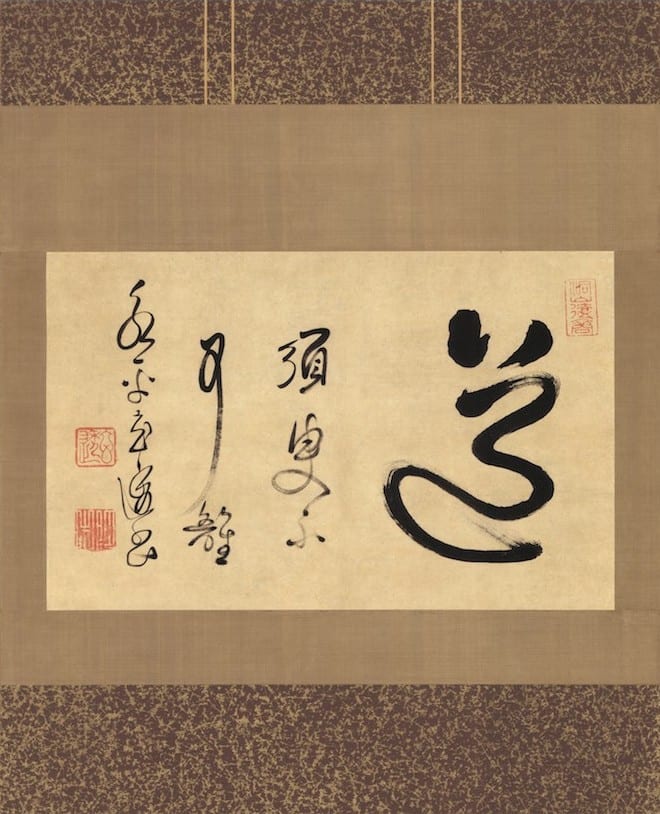
Sumi on paper. This impressive Zen painting by Gentō Sokuchū features the Chinese character michi (path) in masterfully rendered calligraphic strokes. As the 11
SOLD

A beautiful example of a Hakeme style bowl, this one quite rare as it was made around 200 years ago by the son of the founder of the Dohachi line of potters. Tr
SOLD