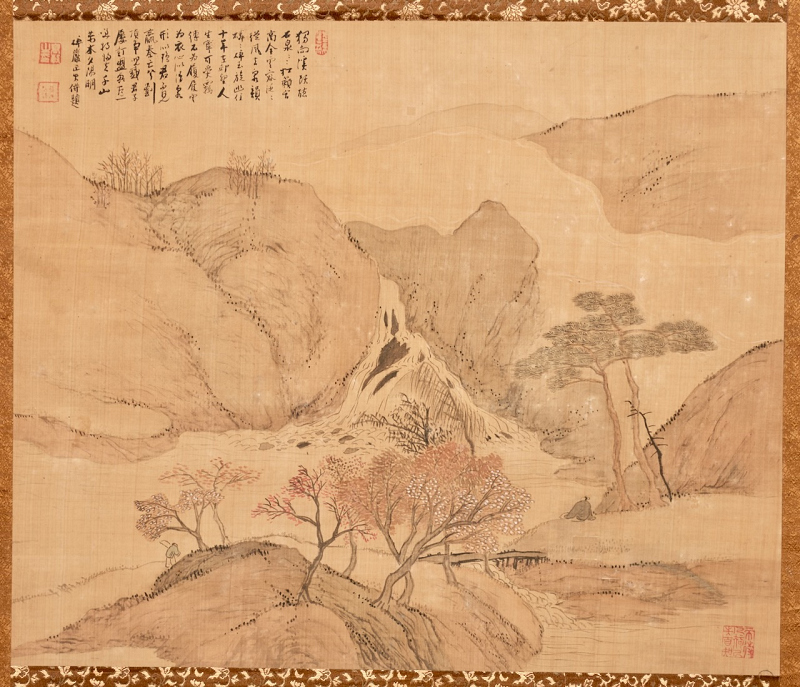
Autumn Nanga Landscape by Takamori Saigan (1847–1917)
This atmospheric autumn landscape by Takamori Saigan (1847–1917), unfolds through delicate ink work and restrained colour. Russet trees occupy the foreground, w
This atmospheric autumn landscape by Takamori Saigan (1847–1917), unfolds through delicate ink work and restrained colour. Russet trees occupy the foreground, w
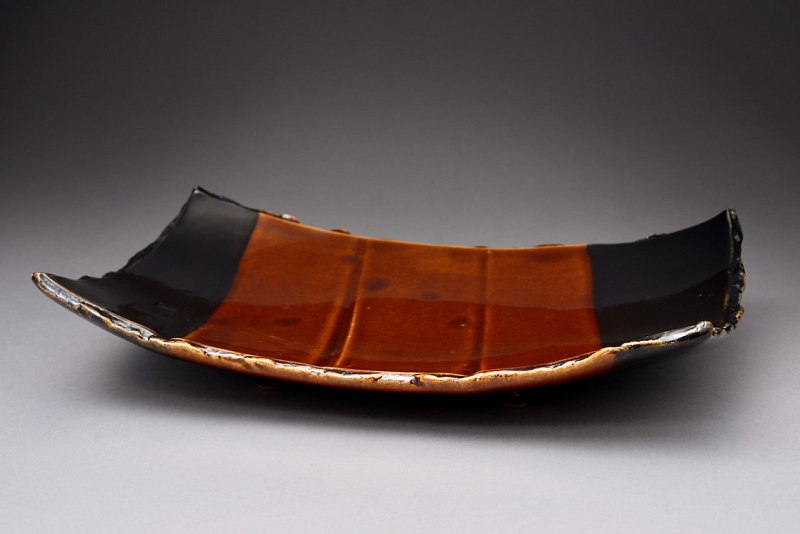
This large serving tray by Ōhi Chōzaemon XI (Toshio) brings together the rich glaze tradition of Ōhi ware and a distinctly contemporary sculptural form. Its bro
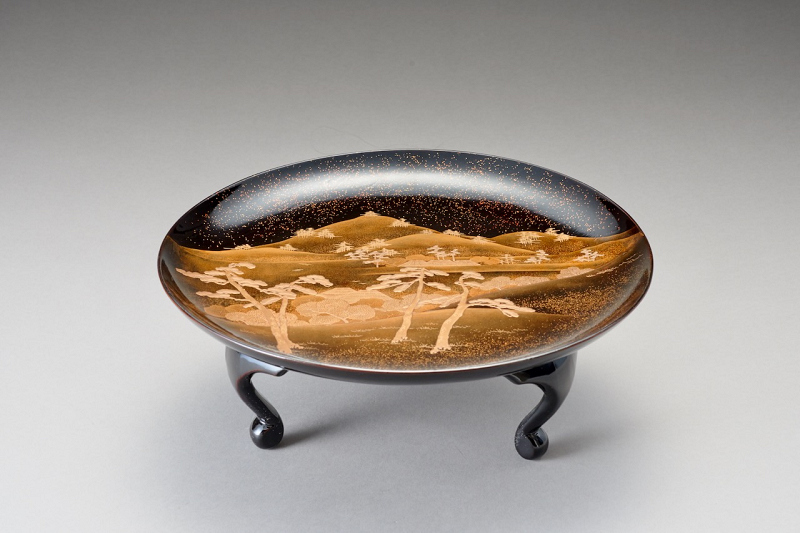
An especially elegant late Edo-period lacquer takatsuki, or raised serving stand, supported upon three dramatically curved feet. Against the deep, highly polish
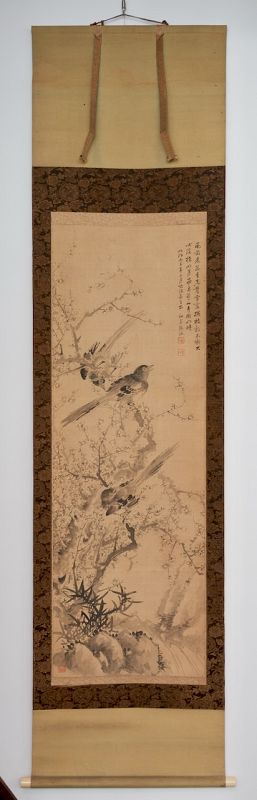
This Meiji-period hanging scroll has that lovely quiet confidence you see in literati-style kachōga (seasonal nature motifs) of the era: elegant, unforced, and
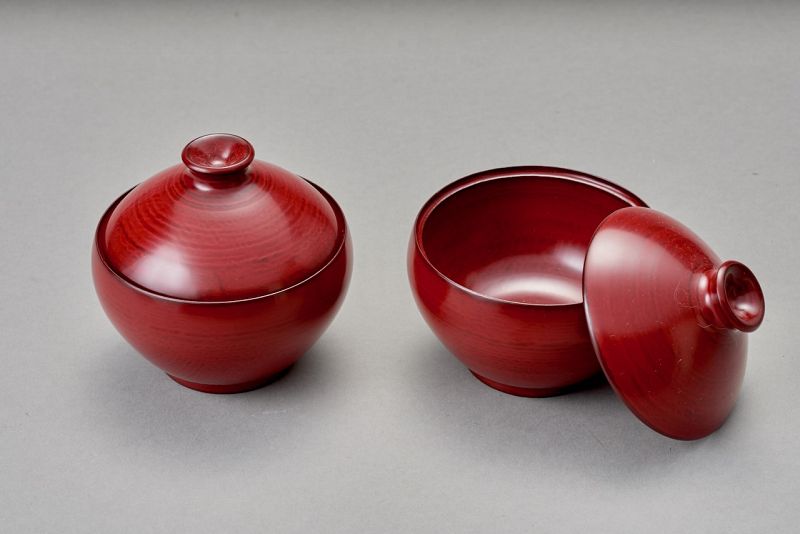
A stunning pair of Wajima-nuri lacquer lidded bowls; each formed with a compact rounded body and fitted cover and with a surface finished in a deep, contemplati
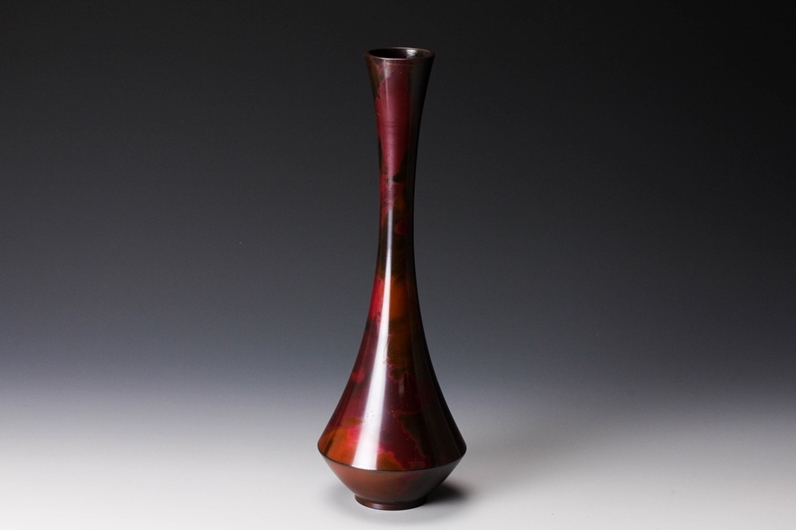
The style of this vase, known in Japanese as karakane (“kara” meaning Chinese and “kane” meaning copper), has been carried on by Japanese craftsmen since its th
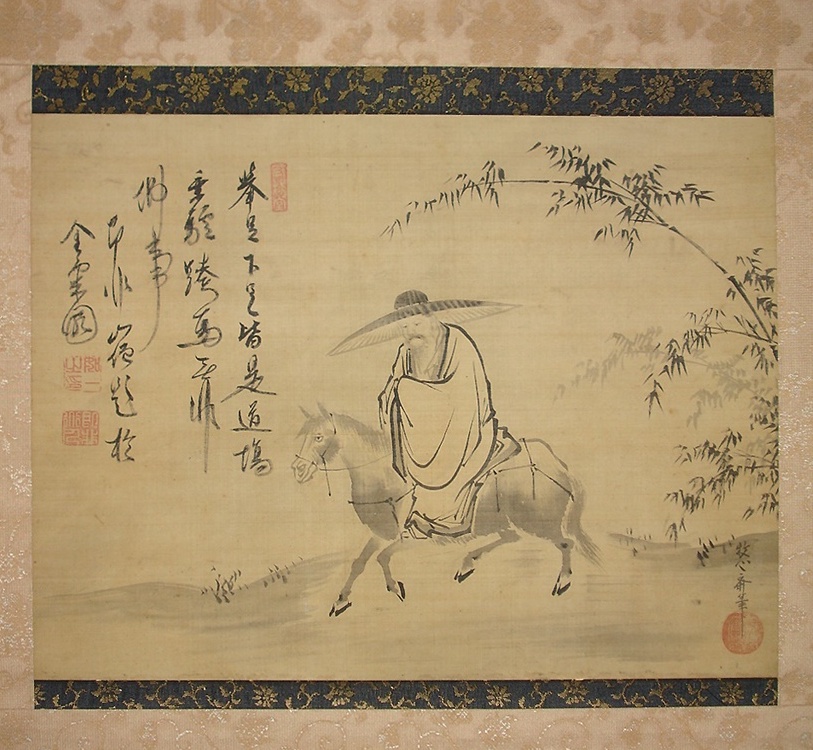
Third son of the director of the Kano School of painting, Yasunobu was appointed head of the Kyoto branch at a young age after his father’s death. Meanwhile, hi
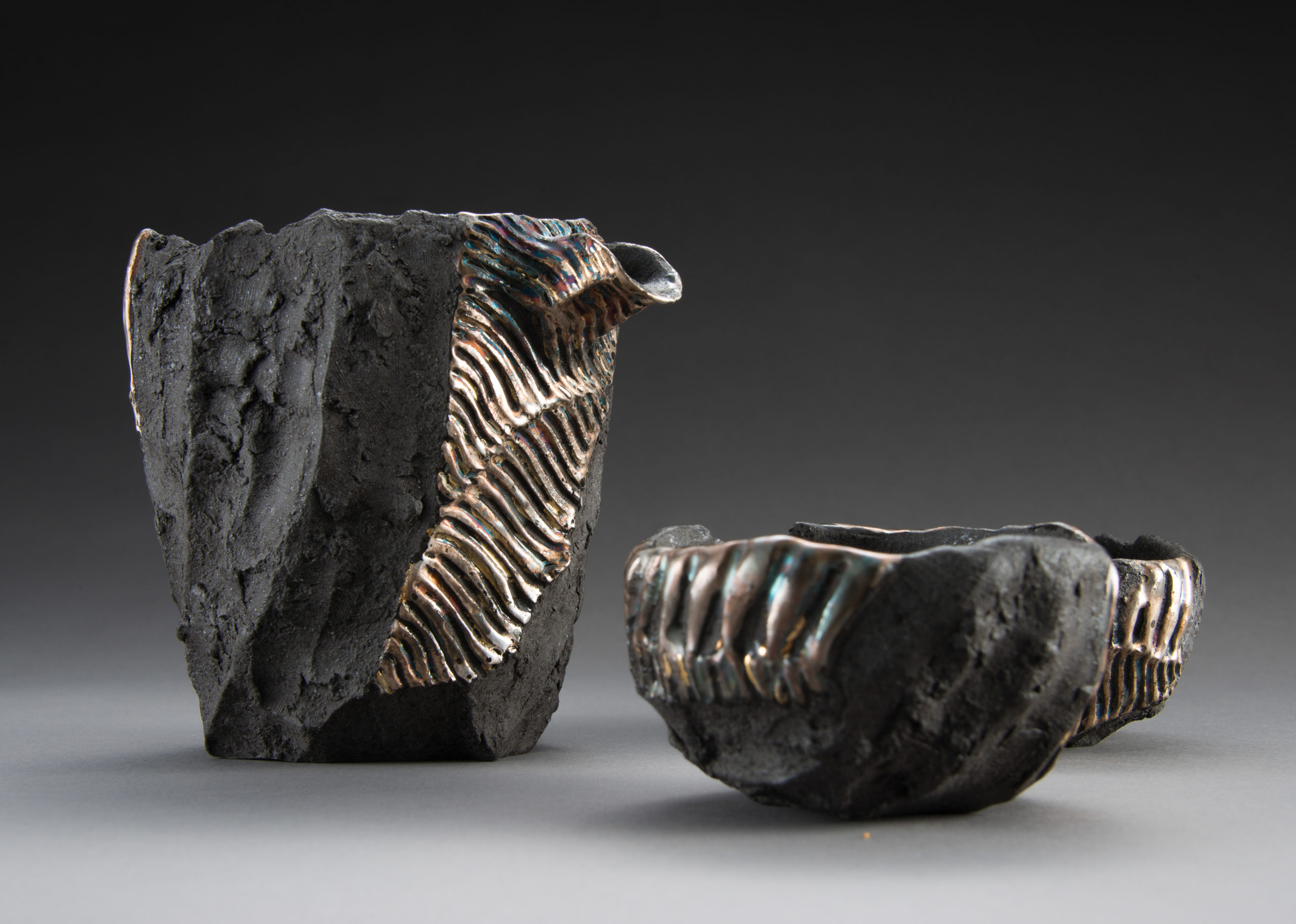
If you are familiar with the work of Hiramatsu Ryoma you know that he creates very unconventional ceramics inspired by forms found in nature. Here we have a sak
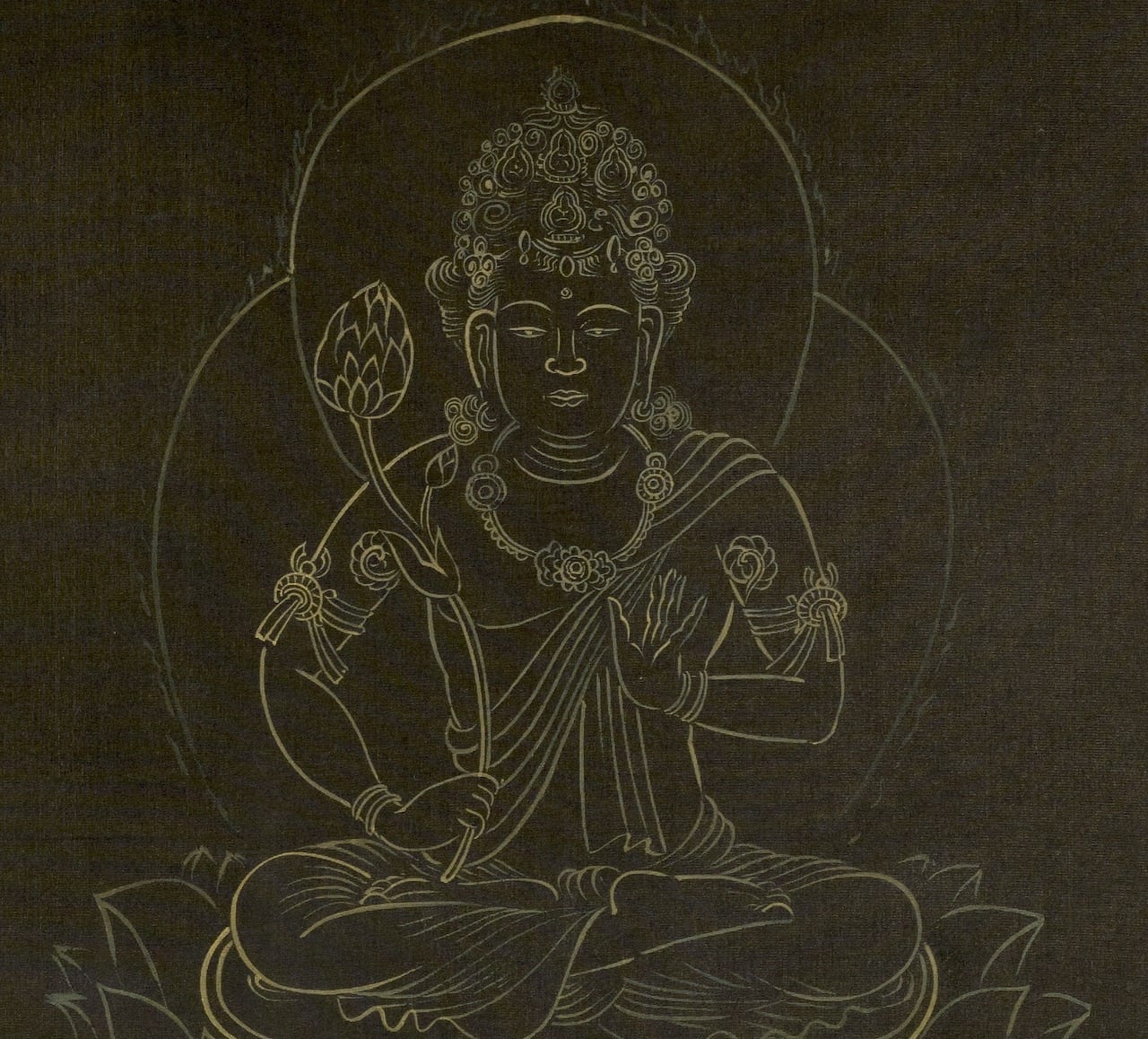
Seated in meditation with open and compassionate heart, this bodhisattva is on a spiritual journey, postponing his own salvation in order to remain on earth to
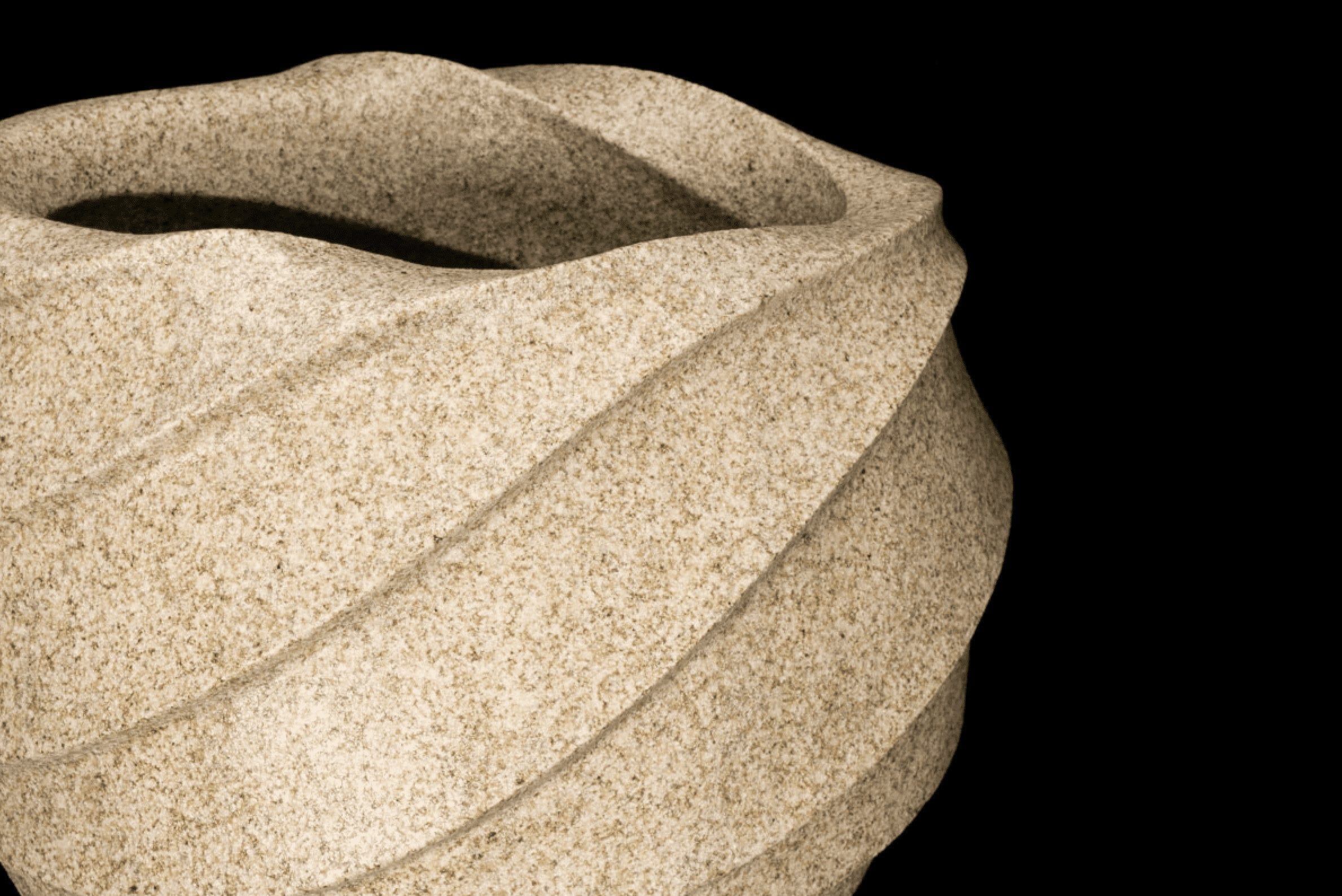
From a well-known series entitled “Chōtō” (Listening to the Waves) this large contoured vase features a sandy glaze that the sculptor claims is an expression of
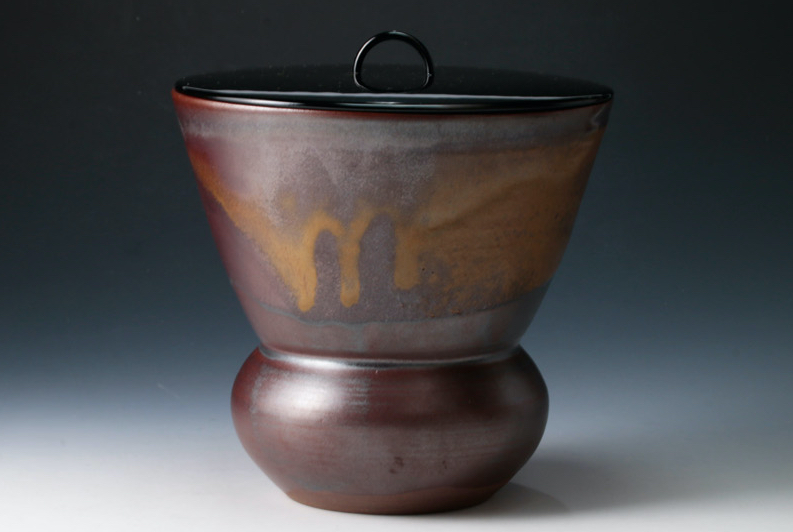
Over 400 years ago the first Takatori potter known as “Hachizan” was brought to Japan by the powerful Kuroda clan and was tasked with establishing a kiln in the
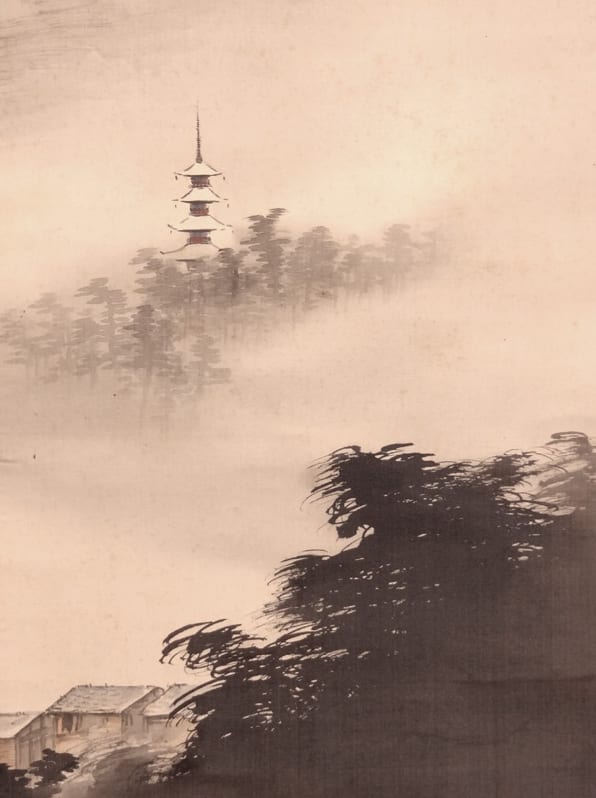
This masterful rendition of an idilic landscape done in the Nanga style of Chinese painting is spread across three canvases titled 1) “Arashiyama” (A district n
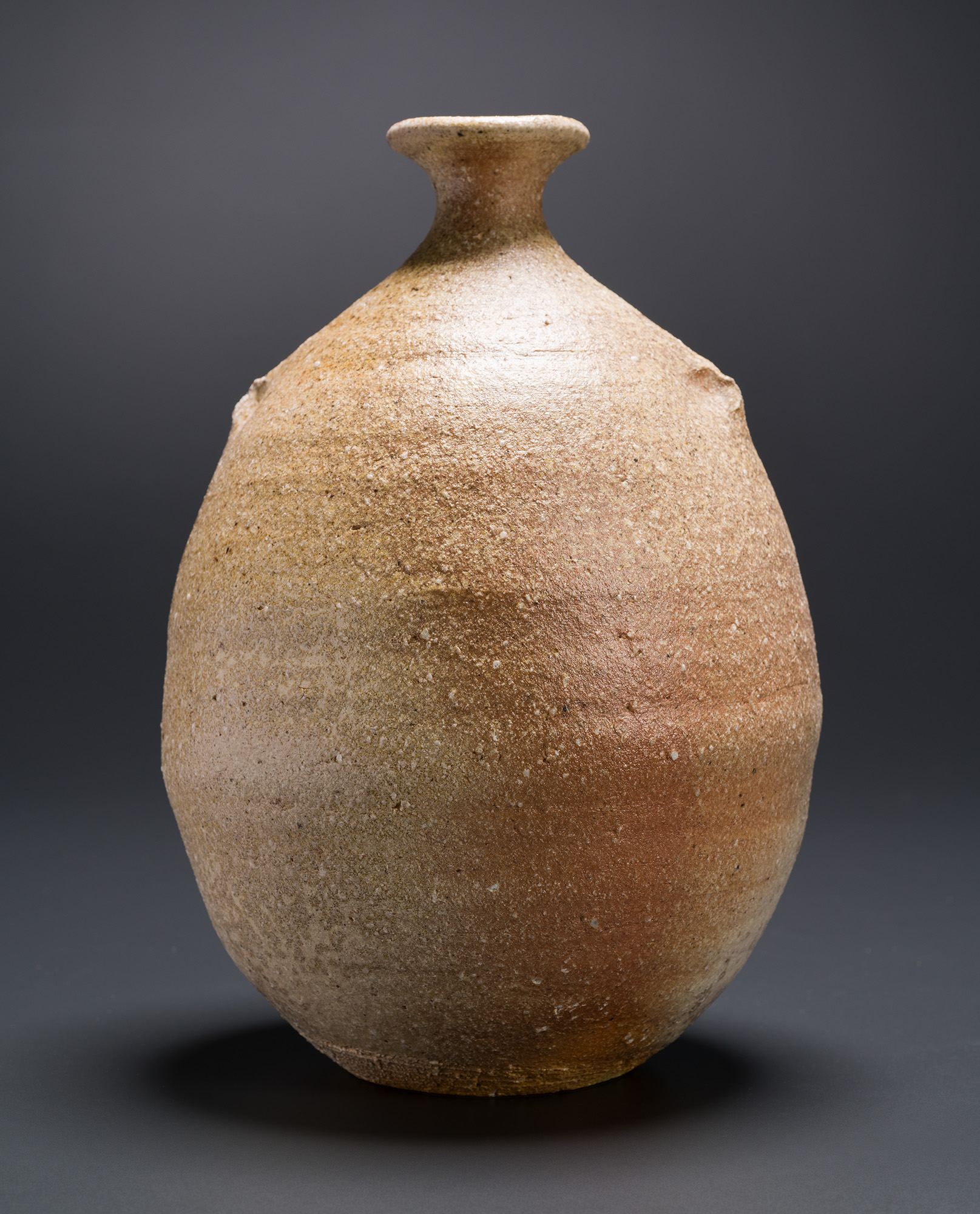
A beautifully crafted vase from a studio potter in the hills of Iga, a few hours drive east of Kyoto. Iga-ware has quite a long history—by some accounts dating
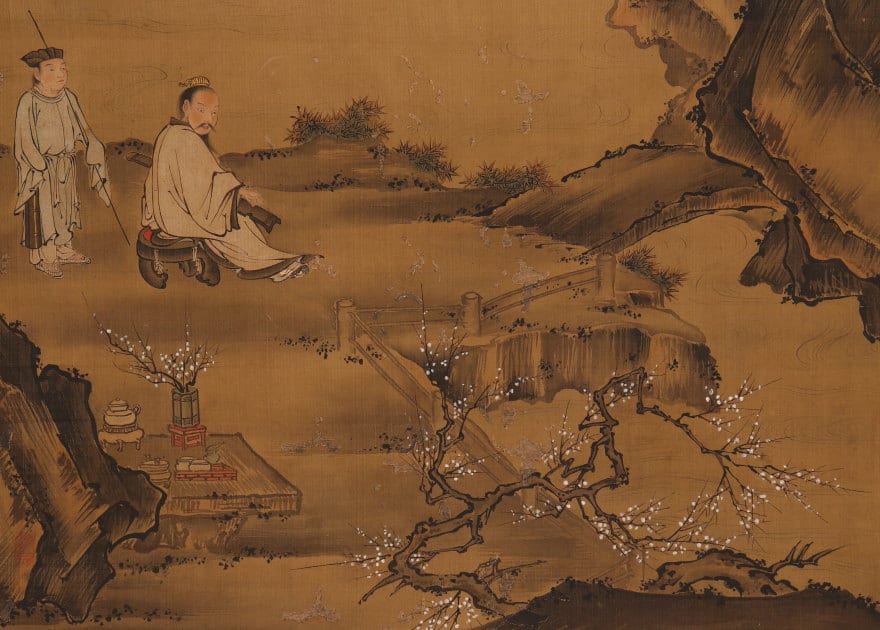
A masterpiece by one of the premier Literati painters from the Edo period. Born into a wealthy samurai family, At a young age, Bunchō was given a stipend that e
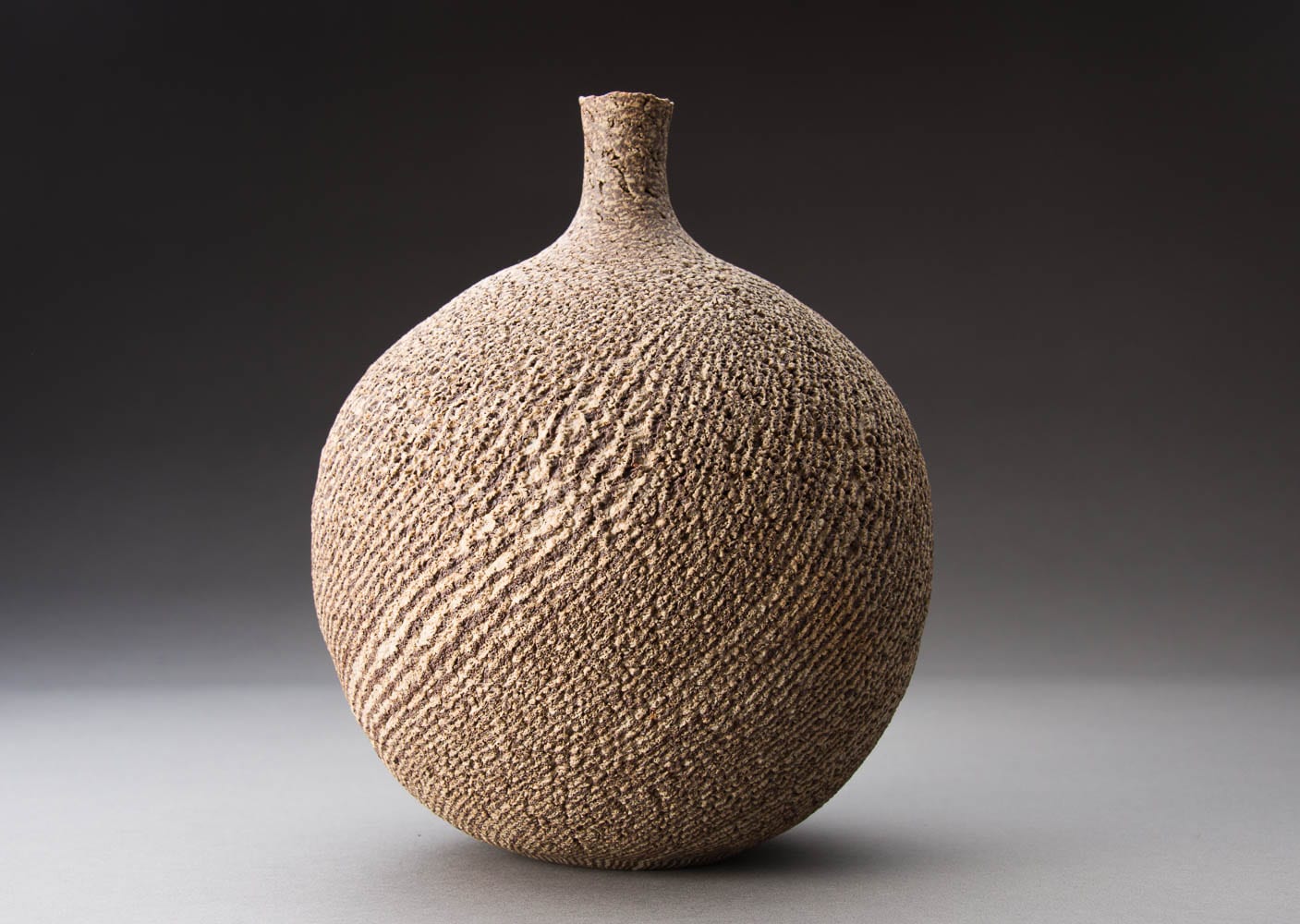
Master of a very difficult technique from the Chinese Tang Dynasty (618 – 907) known in Japanese as Neriage, the potter who created this elegant vase uses extre
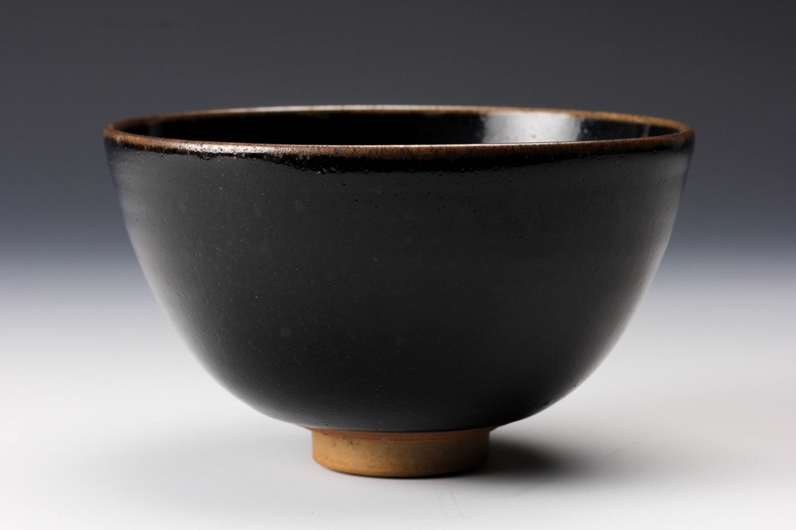
Before styles such as Raku, Hagi, Karatsu, etc came into fashion for use in the tearoom in early Edo, it was commonplace in cultured society to use tea-ware imp
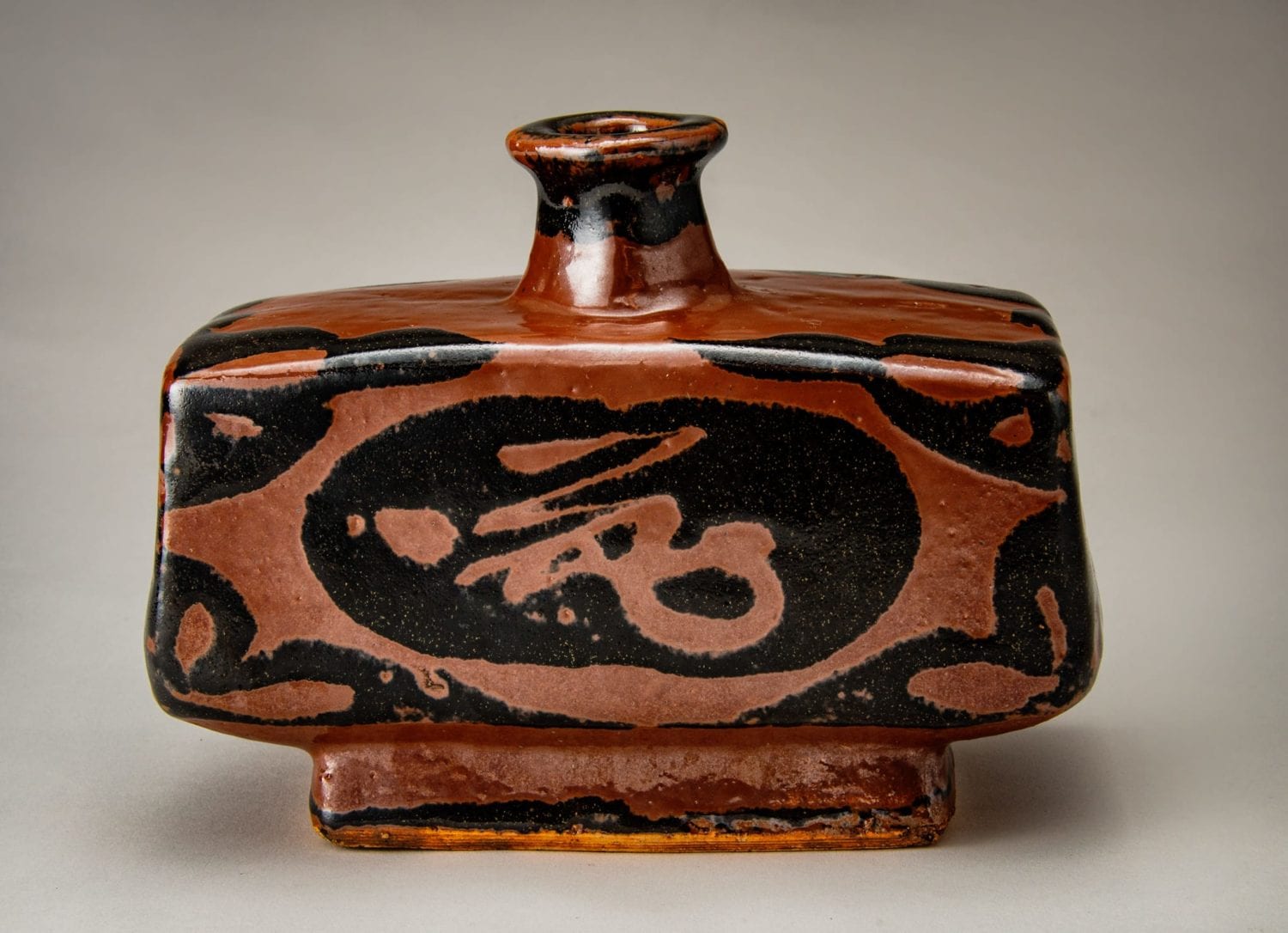
Conceived by 20th century master ceramicist Kawai Kanjiro—here an abstract depiction of flowers is used to adorn an exquisite “henko” shaped vase. The glaze is
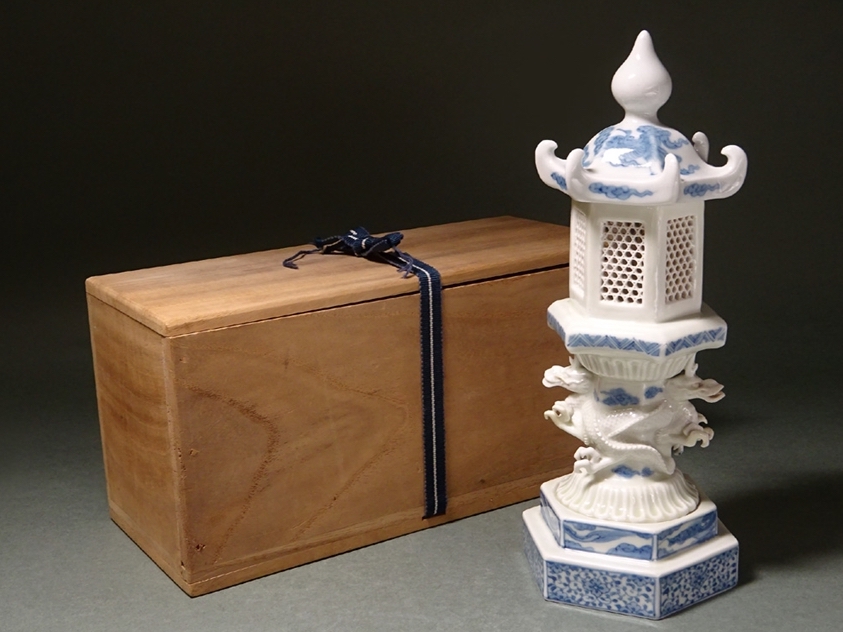
Hirado-ware, this intricately crafted incense burner in the shape of a lantern features two intertwined dragons dancing around the base. Various parts of the la
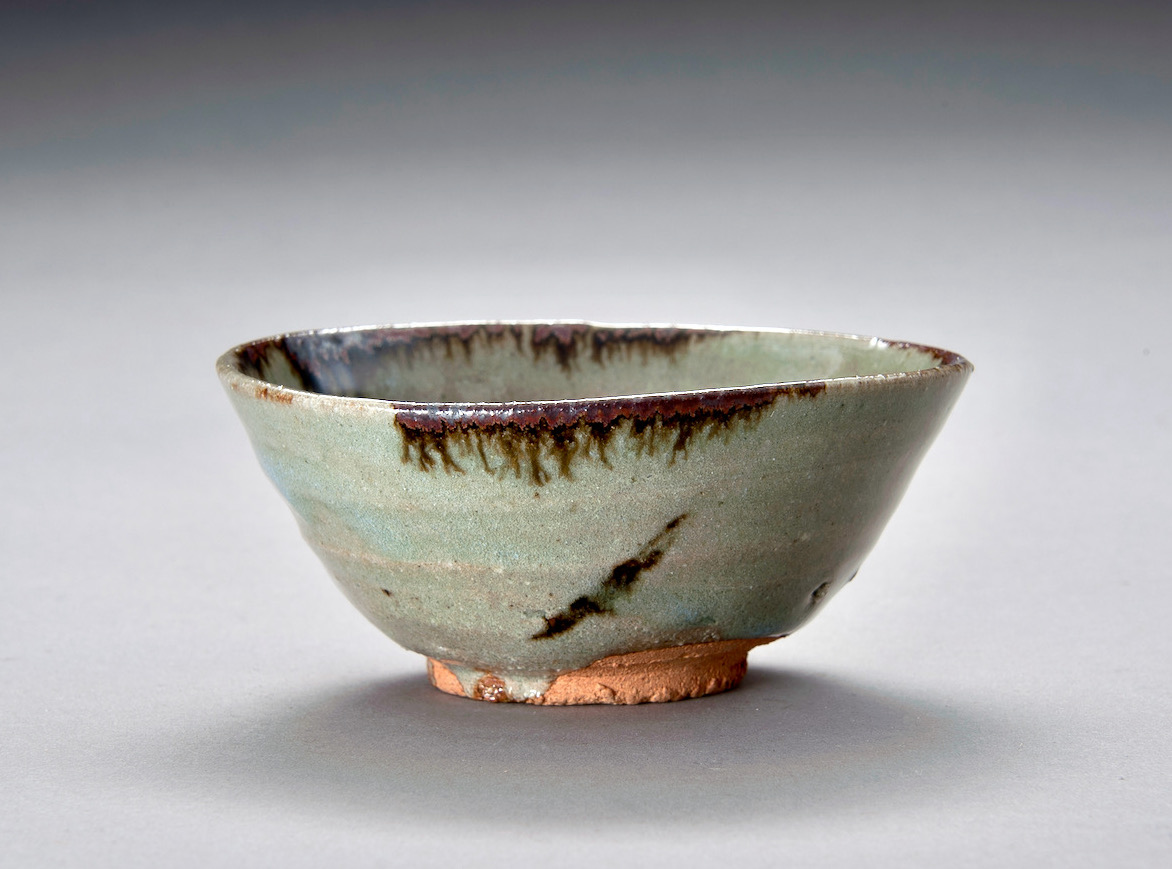
Accents formed using iron pigment stand out across a backdrop of blue-green glaze. The base and a portion of the inside of this ceremonial tea bowl are unglazed
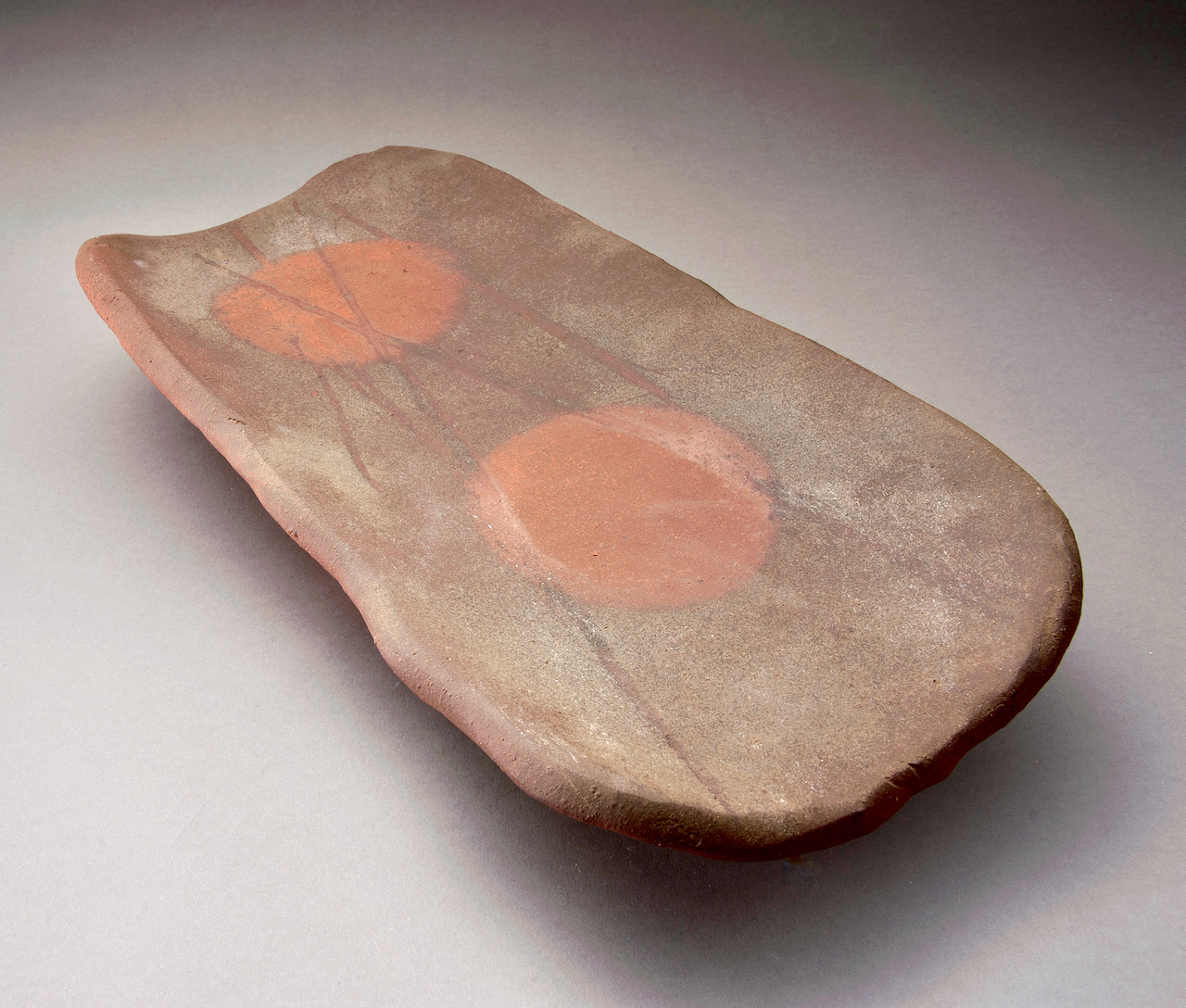
Created by Living National Treasure Isezaki Jun, Bizen pieces like the one seen here originated in Okayama (south-western Japan) and have a long history that is
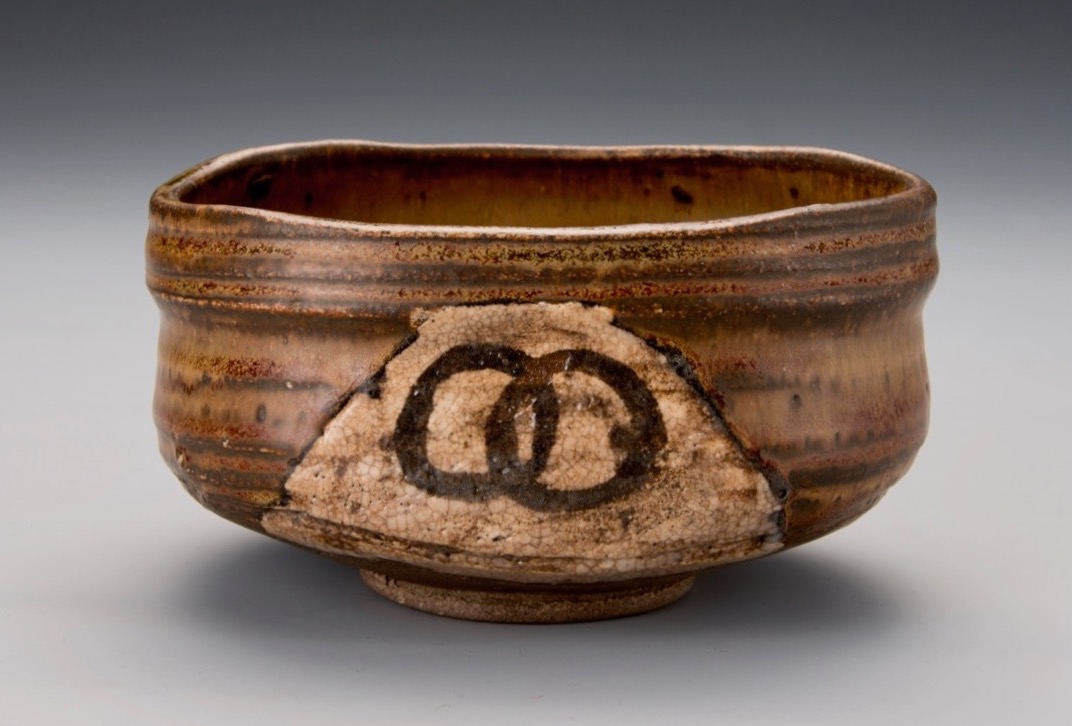
Oribe is a visual style named after the late-16th-century tea master Furuta Oribe (1544-1615). Typically, black or green glazes are applied to the bodies of the
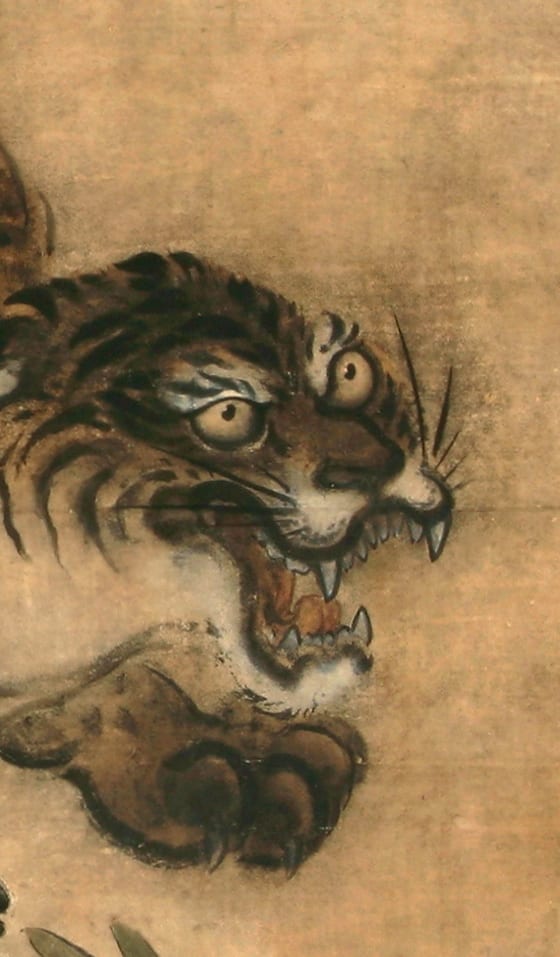
An absolutely stunning rendition of a powerful tiger—muscles rippling—prowling through a dark bamboo grove. One of the best tiger compositions I have personally
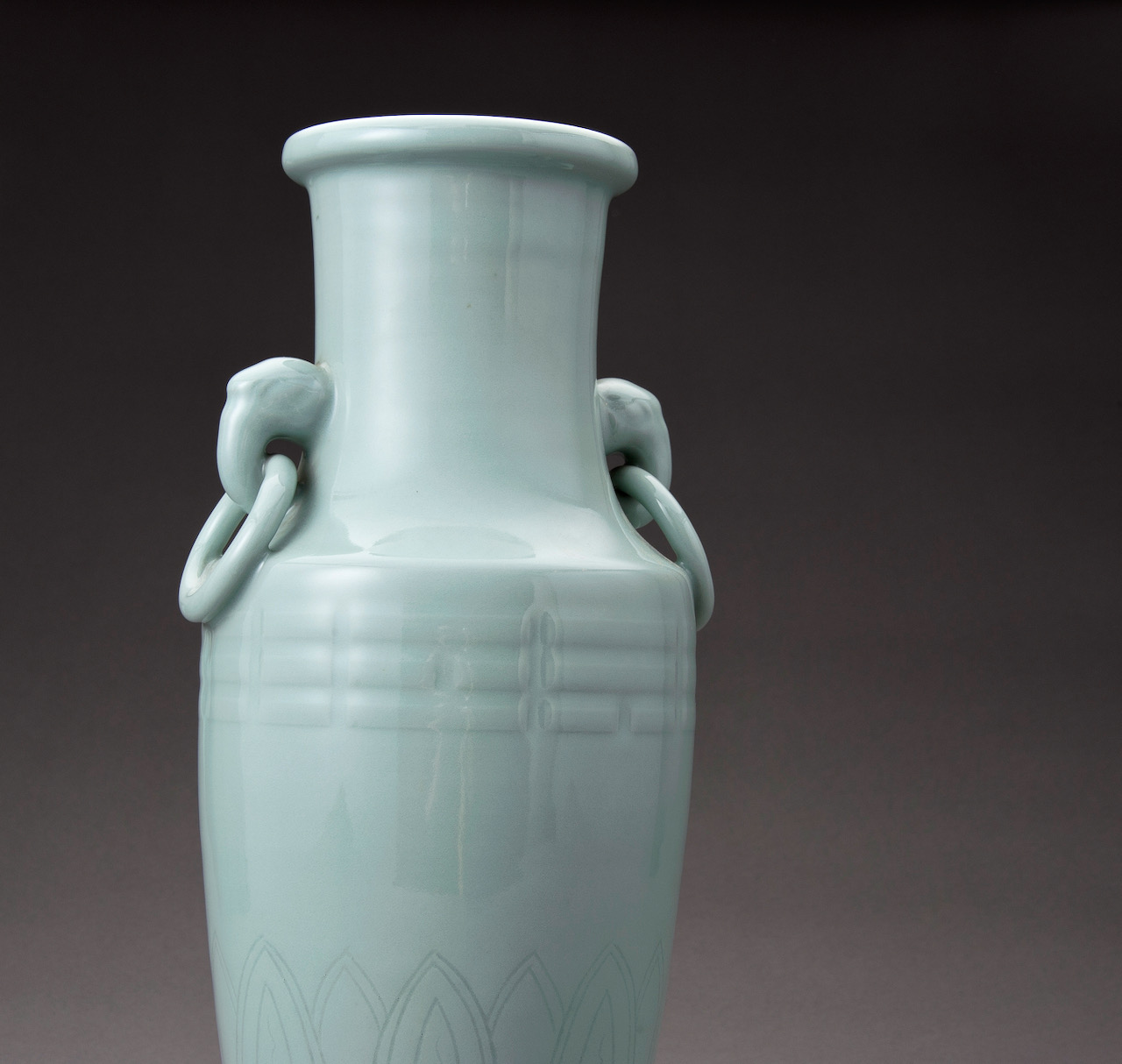
A Chinese style celadon vase by one of the 5 Imperial Court Artists of Meiji. Sozan spent his life perfecting techniques for celadon production first used in th
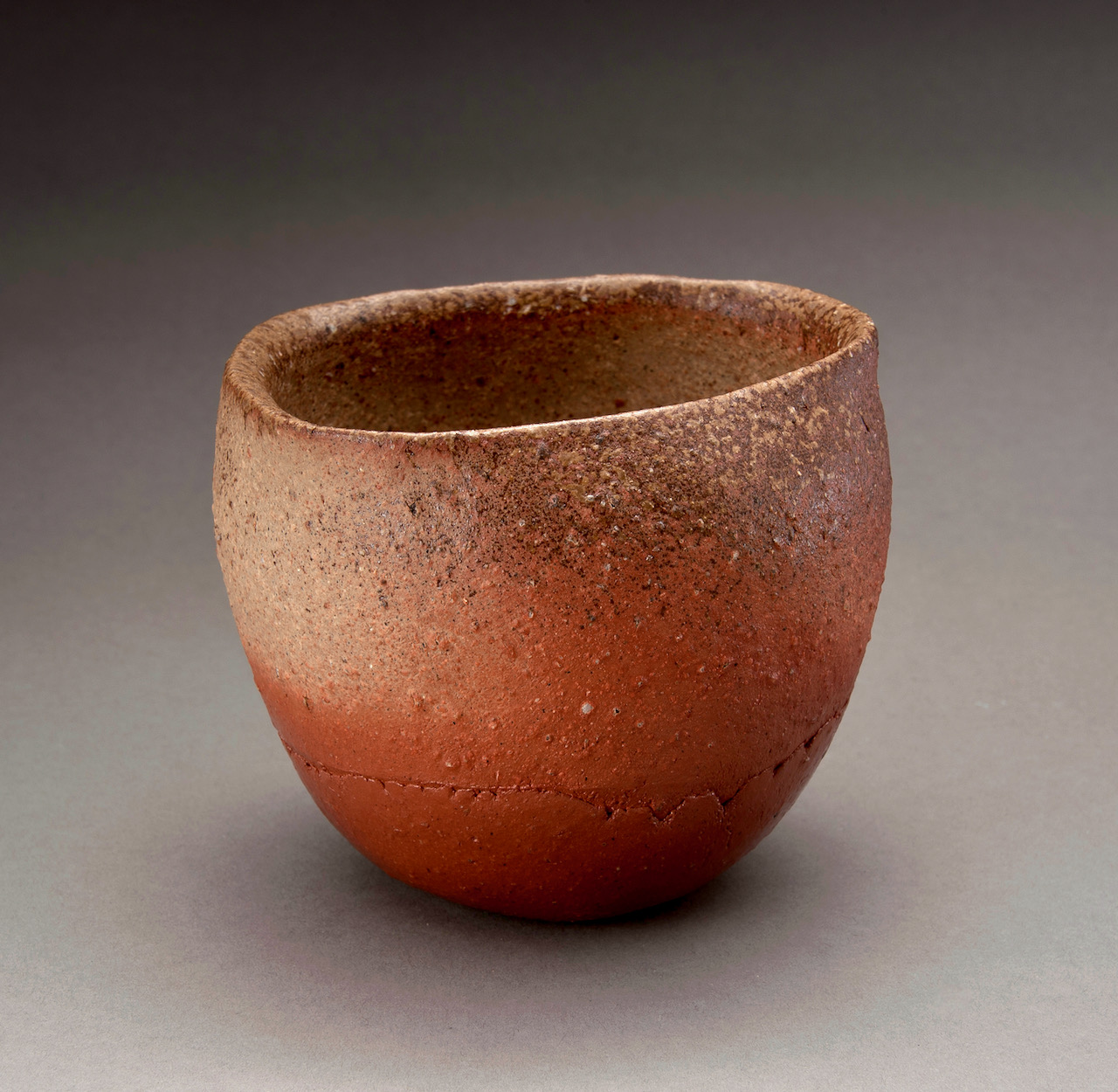
First born son to Living National Treasure Isezaki Jun, Koichiro (b. 1974) has quickly made a name for himself as an independent artist. Not content to rely sol